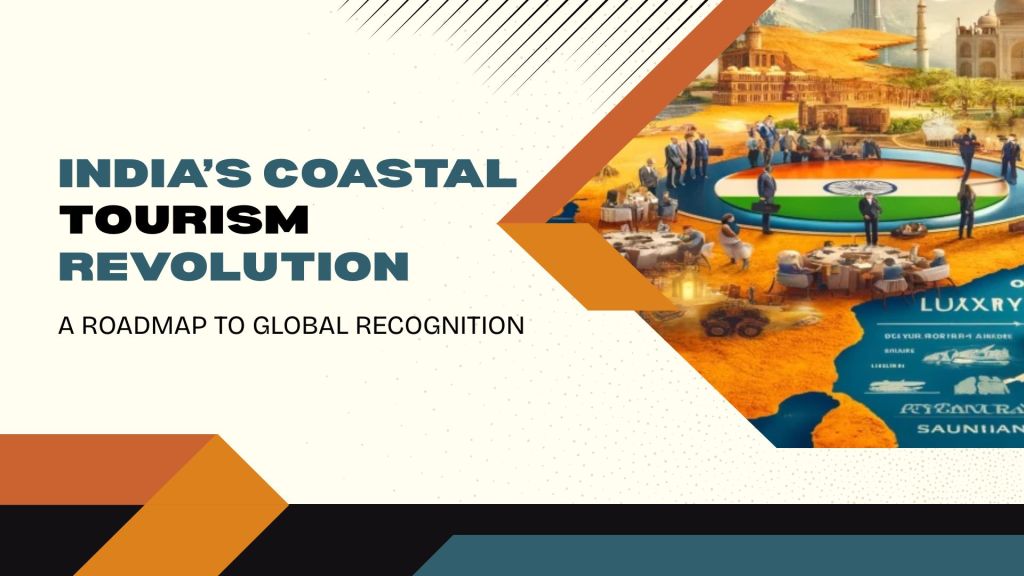
Stretching across more than 7,500 km, India’s coastline is one of the country’s most valuable yet underutilized resources. From the rising popularity of Alibaug tourism to Kerala’s picturesque backwaters, these coastal gems present enormous opportunities for growth. At the forefront of this vision is Hiranandani Sands Alibaug, a landmark coastal township designed to reshape India’s hospitality and tourism industry.
Coastal Tourism: India’s Next Big Growth Driver
India’s Coastal tourism has the ability to set new global benchmarks for sustainable, world-class destinations. Locations like Goa, Alibaug, Kerala, and the Andaman Islands are already hotspots, but with robust infrastructure, these regions can evolve into year-round international tourist magnets.
Hiranandani Sands Alibaug: A Game-Changer in Tourism & Real Estate
Hiranandani Sands Alibaug is more than just a real estate project it is envisioned as a complete coastal township blending tourism, lifestyle, and commerce. It’s designed to deliver holistic experiences, offering:
- Luxury vacation residences and world-class hospitality
- Wellness retreats and villas focused on holistic living
- Premium waterfront shopping and leisure streets
- Adventure zones and exciting water-based activities
- Venues for weddings, cultural shows, and MICE tourism
- Concierge services tailored for global travelers
With this mix, the project not only elevates Alibaug’s tourism potential but also sets the stage for strong economic momentum.
The Economic Ripple Effect of Coastal Tourism
Projects like Hiranandani Sands Alibaug go far beyond luxury they can stimulate India’s economy on multiple levels. Coastal tourism contributes to:
- Generating large-scale employment in hospitality, retail, and allied sectors
- Boosting entrepreneurship through local restaurants, small businesses, and cultural activities
- Enhancing India’s image as a global hub for investment and tourism
Tourism as India’s Soft Power Engine
Tourism is not just leisure it is diplomacy through culture. As former NITI Aayog CEO Amitabh Kant noted, tourism has the power to balance trade disruptions and counter global economic uncertainties.
Because it connects aviation, food & beverage, hospitality, retail, and coastal real estate, tourism strengthens India’s resilience while boosting its influence worldwide.
India’s Edge in the Global Tourism Landscape
India is already positioned as a unique tourism destination, offering diverse experiences:
- Cultural Tourism – Rich heritage sites, traditions, and monuments
- Coastal Tourism – Beaches in Alibaug, Goa, Kerala, and the Andamans
- Spiritual Tourism – Pilgrimage centers like Varanasi, Rishikesh, and Mahabalipuram
- Wellness & Medical Tourism – Globally recognized healthcare and holistic retreats
- Architectural Tourism – Palaces, forts, and timeless landmarks
This variety makes India’s tourism ecosystem far richer than beach holidays it’s a complete journey of discovery for travelers worldwide.
Why Coastal Tourism Thrives in the Post-COVID World
As travelers seek safe, enriching, and affordable destinations after the pandemic, India’s coastal regions stand out. With forward-looking policies, infrastructure development, and investor support, projects like Hiranandani Sands Alibaug can position India as a global leader in sustainable tourism.
Alibaug: Setting the Template for Coastal Development
The Alibaug initiative shows how tourism, real estate, and hospitality can be integrated for long-lasting results. By replicating such projects across India, the nation can:
- Empower and uplift coastal communities
- Provide sustainable career opportunities
- Strengthen cultural diplomacy
- Build a strong global tourism identity
Frequently Asked Questions
Q1. Why is coastal tourism vital for India’s economy?
It fuels job creation, supports entrepreneurship, enhances real estate values, and attracts high-spending global tourists making it a key driver of GDP.
Q2. What makes Alibaug an important tourist spot?
Alibaug combines scenic beaches with easy access from Mumbai. With Hiranandani Sands Alibaug, it now adds luxury homes, wellness retreats, and adventure tourism to its offerings.
Q3. How does Hiranandani Sands Alibaug support tourism growth?
By combining hospitality, retail, wellness, and adventure under one township, it creates a 360° tourism ecosystem appealing to global travelers.
Q4. Can tourism really strengthen India’s soft power?
Yes. Tourism improves India’s cultural visibility, builds global goodwill, and enhances bilateral ties all while boosting economic growth.
Q5. What are India’s strongest advantages in tourism?
A mix of cultural heritage, pristine coastal areas, spiritual hubs, world-class wellness offerings, and historic architecture makes India a one-of-a-kind tourism destination.
 Prashant Vermaa Business Blog
Leave a comment